How do you give an AI employee its own computer in the cloud? Vishal Shanbhag shows how he built his, and we go deep into his ZeroClaw setup: 90 minutes, live, two senior engineers. I host, and you ask the questions.
The topic of Episode 1: AI employees with their own cloud computers
- Cloud computers: why give an AI employee its own computer, and how Vishal built his
- ZeroClaw: inside Vishal's setup and his dashboard of AI agents
- Agents at work: agents he works with in Discord, and a browser his agents can use
- Building your own: architecture, tools, memory, harnesses, guardrails and what breaks
Beyond Automation is my personal podcast about AI employees and AI-native companies. I used to call it AI Talks. This is Episode 1 under the new name, with more to come.
Look at what Vishal is building
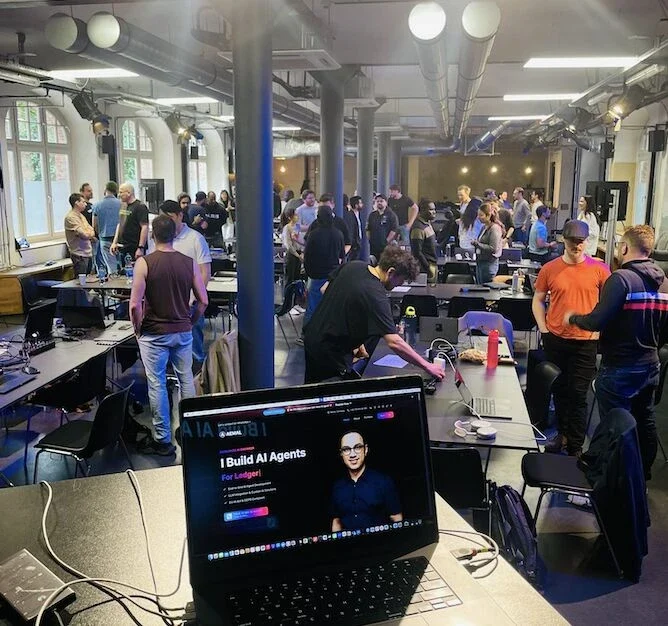
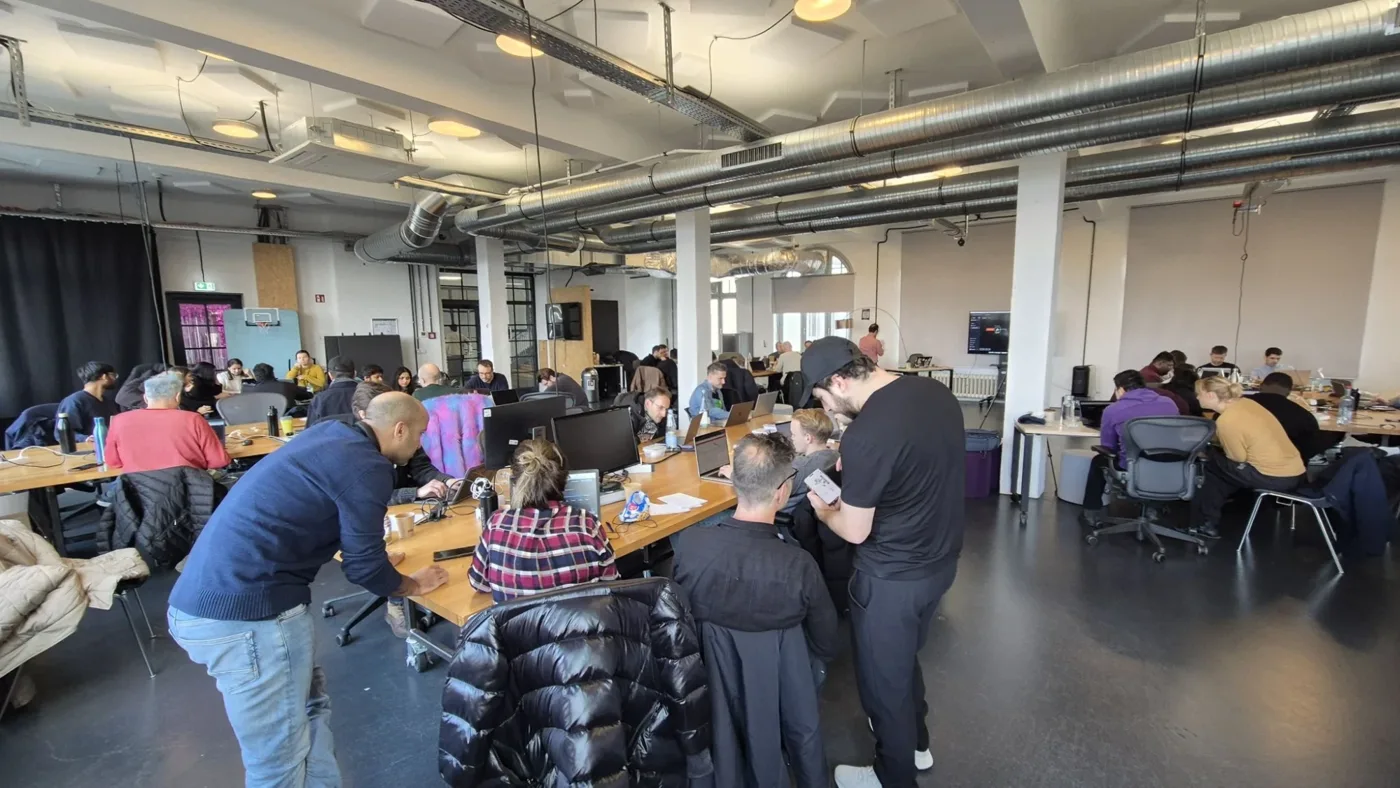
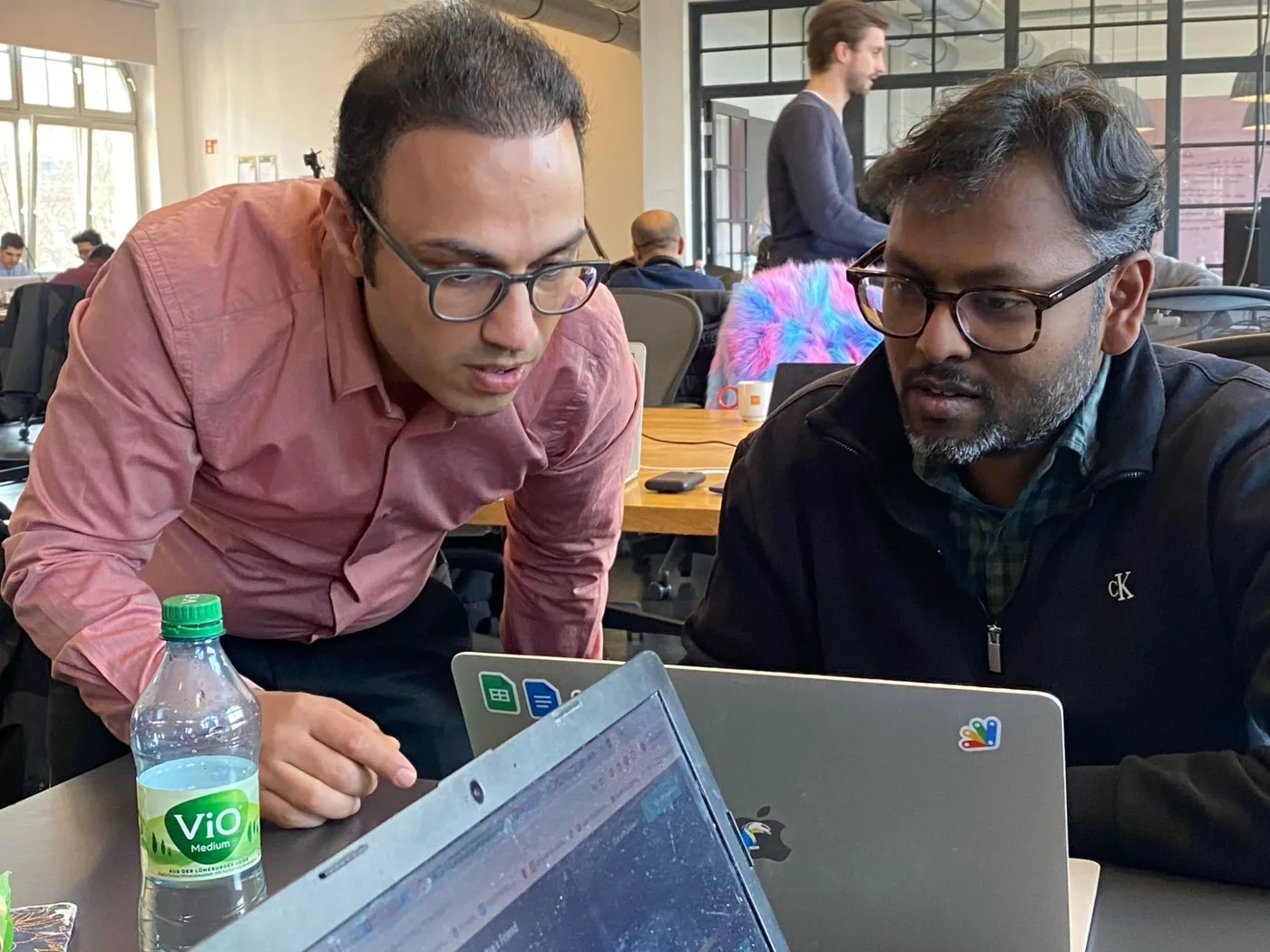
Vishal was on my live session on Sunday 22 November, and he's working on really cool projects. He showed his ZeroClaw setup, his dashboard of AI agents, agents he works with in Discord and a browser his agents can use.
This podcast episode is entirely a continuation of that presentation. We pick up where Vishal left off and go deeper. Watch his part first, it starts at 1:05:40.
🎙️ Beyond Automation: the live, open mic podcast
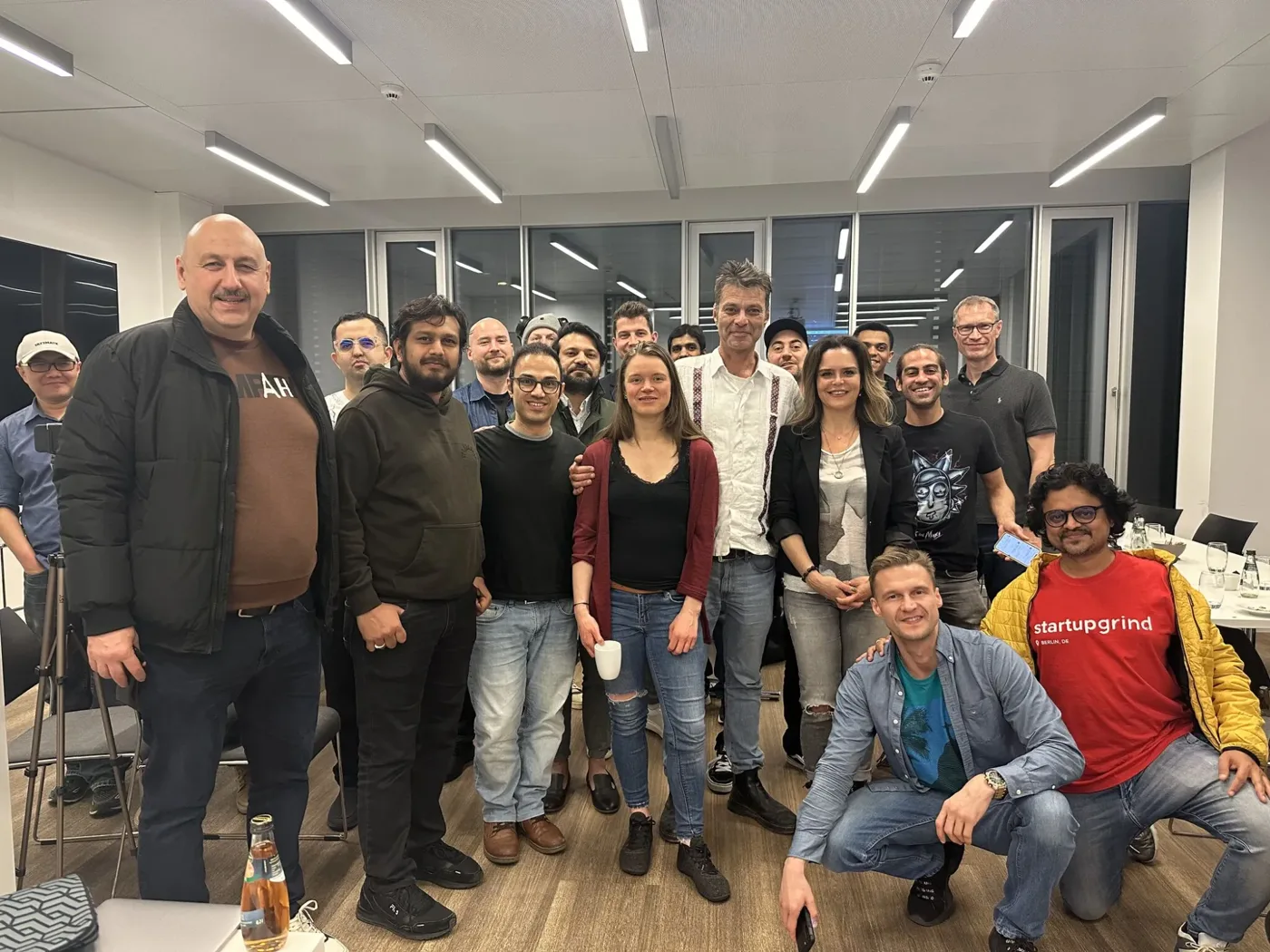
A new way of podcasting. The usual podcast is recorded first, so you can't ask a thing. This one happens live: 90 minutes of raw Q&A. You join while it happens and ask the guest your questions. You see the glitches, the pauses and the real answers. That's the point.
How this podcast works
- The mic is open: during my masterclasses I let people talk.
- You share what you're building: like Vishal did on 22 November.
- You reach out to me: join my WhatsApp community and write to me there, or message me on LinkedIn.
- You become the guest: we go live, and people ask you their questions.
We both win. You get reach, I get a lot of content and the community learns from you. That's what community first means to me: we elevate each other.
This is a live webinar
Tuesday 24 November, 13:00 - 14:30, Berlin time. You can take part in three ways:
- $10 · Join us on Google Meet: watch us talk and ask us your questions live, for all 90 minutes. Get your ticket on Luma and the Meet link comes with it.
- Free · Watch the live stream: go to aemalsayer.com/live to watch on YouTube and ask your questions in the chat. You don't need a ticket or a registration.
- Free · Watch later: the recording stays on YouTube, in my online podcast playlist. To ask questions, join live.
Good to know: the webinar is recorded and streamed live. If you join on Google Meet, what you show and say can end up in the stream and in the recording.
Meet your guest
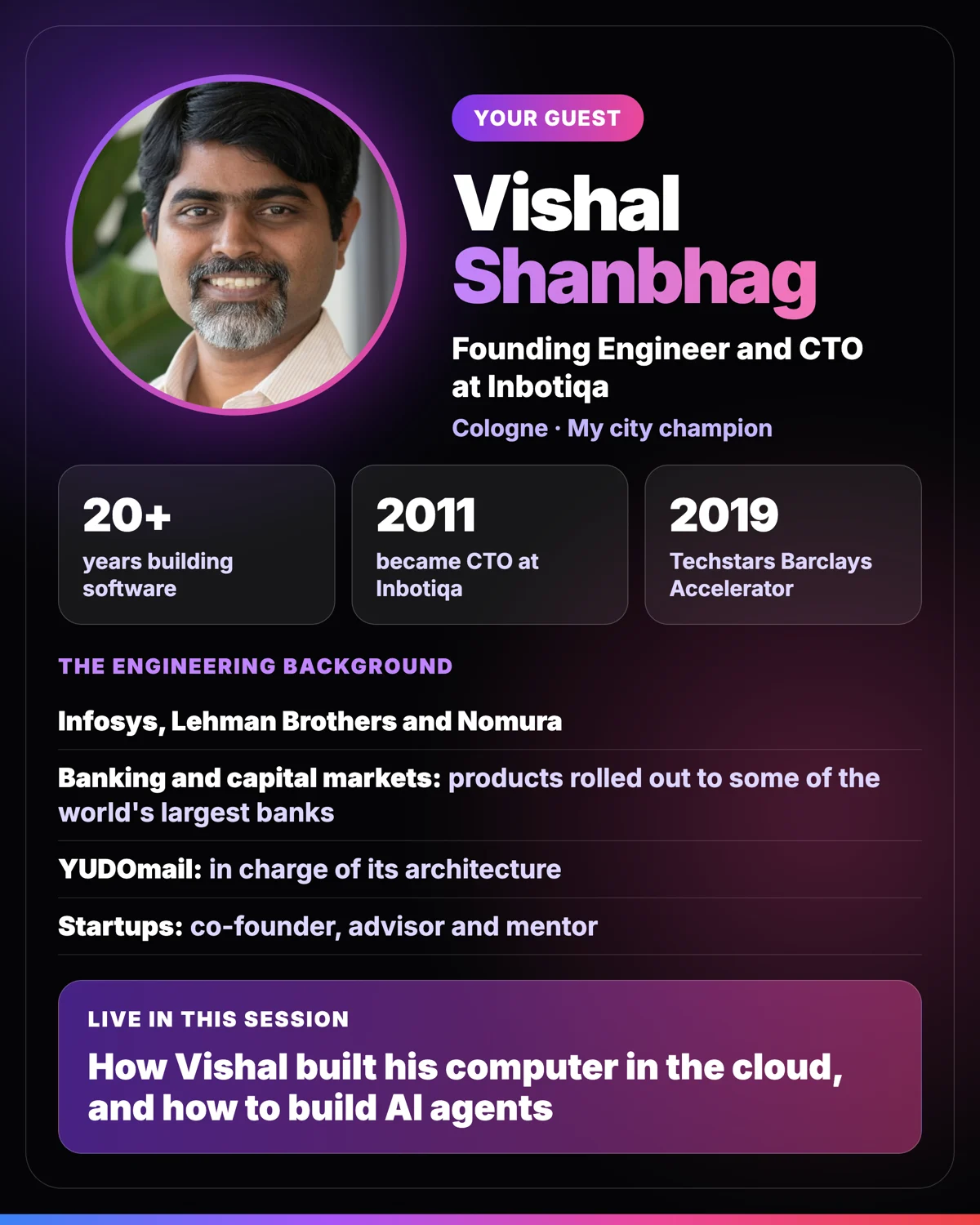
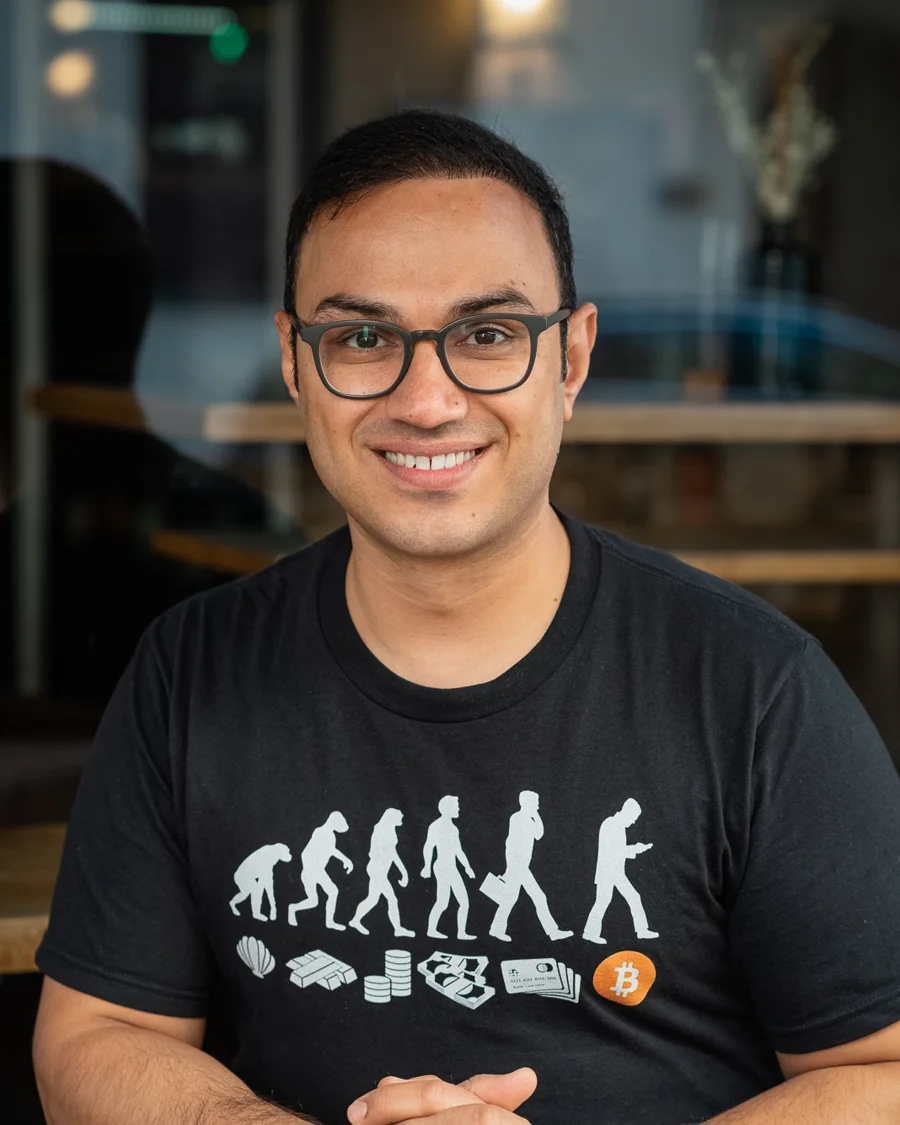
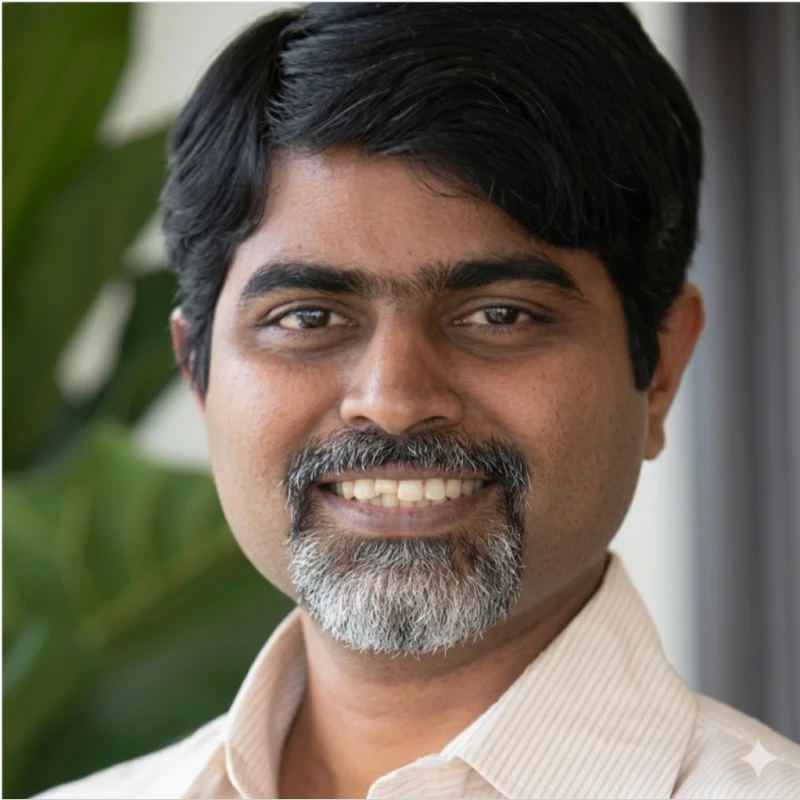
Vishal Shanbhag has spent more than 20 years in software, as lead developer, architect, solution consultant and CTO. His work on AI employees has evolved a lot since I last looked at it. So I invited him on my podcast to show it, live.
- CTO since 2011: Vishal is Founding Engineer and CTO at Inbotiqa, a UK technology startup. He is in charge of the architecture of YUDOmail, its email productivity software for enterprises.
- Built for banks: he has deep experience in fintech, banking and capital markets. He built software products from the ground up that rolled out to some of the world's largest banks.
- Infosys, Lehman Brothers, Nomura: Technical Specialist at Infosys (2002 to 2006), Team Leader at Lehman Brothers (2006 to 2008), then Team Leader and AVP at Nomura (2008 to 2011).
- Techstars alumnus: 2019 Barclays Accelerator, powered by Techstars, in London.
- Founder: Co-Founder of Revermo in Cologne (2026), and a founder in Carbon13's Cohort 5 in Berlin (2025 to 2026).
- Advisor and consultant: Technical Advisor at NeuroByte Ventures (2015 to 2026), Consulting Solution Architect at Awsome (2023 to 2024), IT Strategy Consultant at GoGetNow (2021 to 2022) and Senior Solution Consultant at Progress Software (2011).
- Startup mentor: he helps founders with MVPs, architecture, tech hiring and selling software to enterprises.
- Engineer by training: Bachelor of Engineering in Electronics, Ramrao Adik Institute of Technology.
- His toolbox: solution architecture, Java EE, Node.js, Python, cloud and search engines.
Vishal is also my champion in Cologne. See Vishal's full profile
Agenda (Berlin time)
Questions are open the whole time, from 13:00. Jump in at any point.
- 13:00 · Where we left off: a short recap of Vishal's presentation from Sunday, and your first questions
- 13:10 · Deeper into Vishal's build: his ZeroClaw setup and how he built his computer in the cloud
- 13:35 · Building agents like his, engineer to engineer: architecture, tools, memory, harnesses, guardrails and what breaks
- 14:10 · Open mic: take the mic on Google Meet, or write in the YouTube chat
- 14:30 · End
The times are a guide. We go deep where it gets interesting.
The technical questions
- A computer in the cloud: why give an agent its own computer, and how do you build one?
- Agents or workflows: when is a workflow enough, and when do you need an agent?
- Tools and memory: what can an agent use, and what should it remember?
- Harness engineering: what does it take to make an agent reliable?
- Guardrails: what may an agent do alone, and where does a person check?
- Teams of agents: how do agents hand work to each other?
Why "Beyond Automation"
Automation follows steps that you define. You decide what happens first, what happens next and what happens when a condition is met. That is useful, and I have taught it to a lot of people.
But something changes when you can give AI a task instead of a list of steps. The question is then bigger than "What can I automate?" It becomes "What work can I hand over?" and "How would I build a company if AI employees were there from day one?"
What is an AI employee?
An AI employee is an AI agent that works like a digital colleague. It takes a task, uses your tools, remembers what it did and reports back. It can have its own computer and a way to see what you see.
A chatbot answers you. An AI employee works for you.
- A role: it knows what it is responsible for.
- Tools: it can work in the apps where the work happens.
- Memory: it remembers what it did and what you told it.
- A harness: guardrails, checks and logs around what it does, so you can trust it with more.
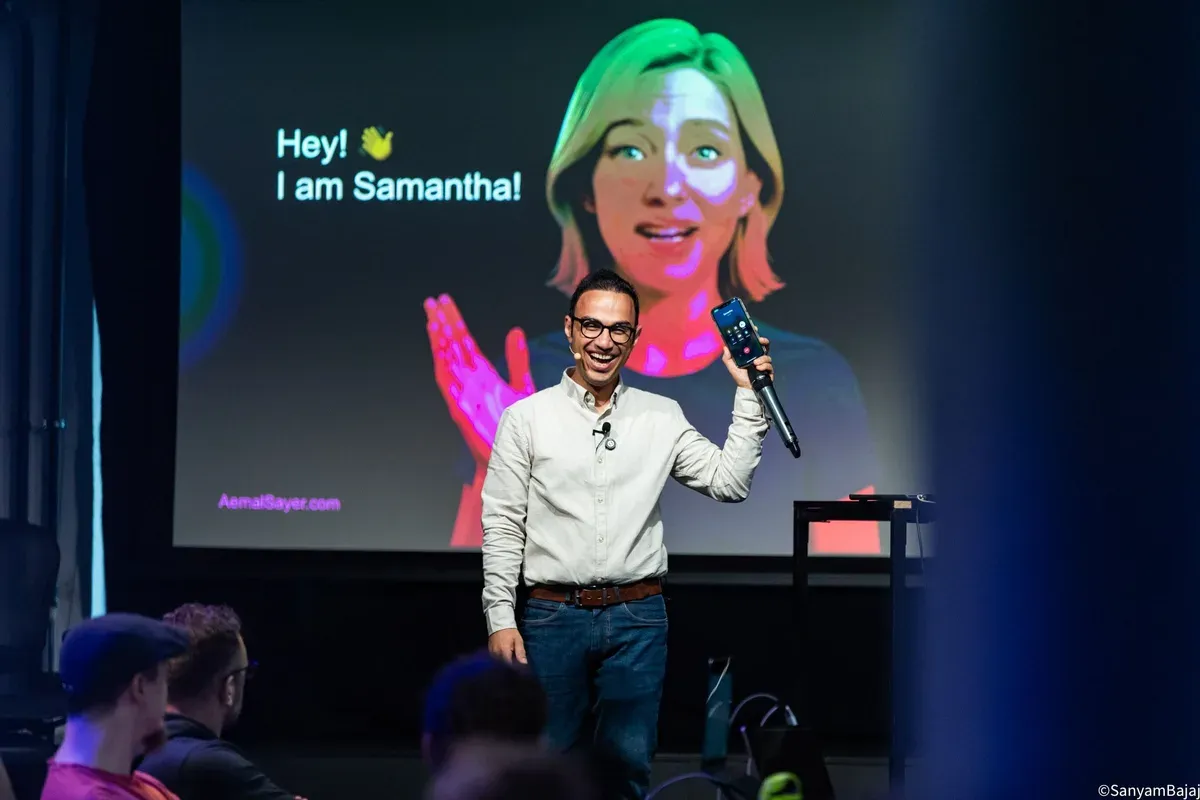
Samantha is my AI employee. I can call her, give her a task by phone and she hands it to her team of AI employees. I can even change my website that way, just with a phone call, without a laptop and without being at my desk.
What is an AI-native company?
An AI-native company is designed around AI employees from day one. It doesn't add AI later.
A small human team, or a single founder, sets the direction and reviews the results. AI employees do much of the work in sales, support, content, research and operations.
It also learns. In an open loop, AI produces something and nothing checks what happened next. In a closed loop, the system measures the result, learns from it and uses that in the next run. AI-native companies are built around closed loops.
- Your job changes: you spend less time doing every task and more time setting direction and reviewing.
- A small team can run more: you can start with the work you need done, before you think about who to hire.
- Trust becomes a design question: you decide what an AI employee may do alone and where a person has to check.
- The way you work becomes the product: roles, handoffs and feedback loops matter as much as the model.
Read more about AI-native companies.
Who it's for
Engineers, technical founders and anyone who is building AI agents or wants to start. It gets technical. You're welcome if you don't code, too.
What the $10 gets you
- 90 minutes in the Google Meet with two senior engineers
- The open mic: ask your questions yourself, and bring the agent you're building or the problem you're stuck on
- A close look at how Vishal built his computer in the cloud
The live stream and the recording are free for everyone.
Two versions: online and in person
My podcast has two versions, and each has its own playlist on my YouTube channel:
- Online: watch the online episodes. This episode goes here.
- In person: watch the in-person episodes
This is the first online episode with my new tech stack, and everything I'm running with Samantha.